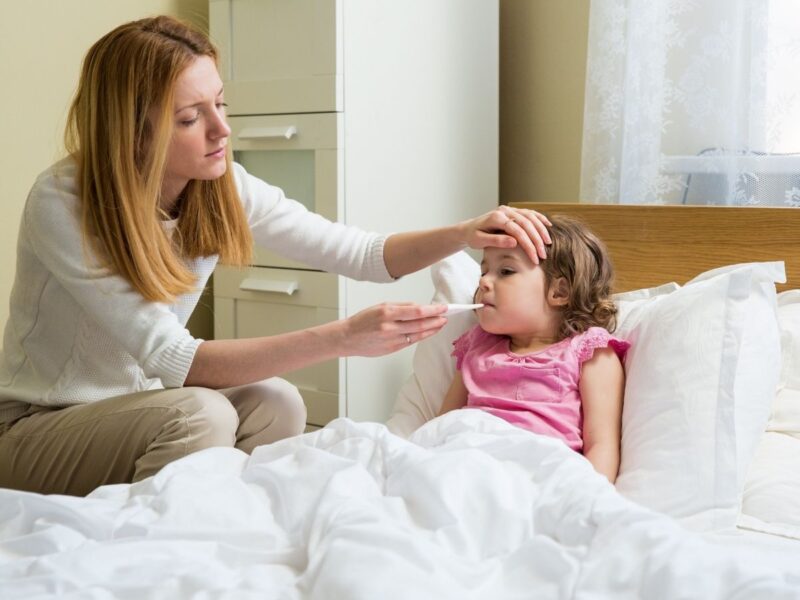
Frequent illness in daycare children is one of the most common concerns parents face when their little ones begin attending early childhood programs. Many parents wonder: “Why is my child always sick?”, “Is their immune system weak?”, “Is the daycare environment the problem?”, or “Is it normal to be sick this often?”
In reality, getting sick frequently during the daycare period is—within certain limits—expected and developmentally normal. This is the stage when a child’s immune system is rapidly maturing, coming into contact with a wide variety of new microorganisms, and building long-term immunity.
In this comprehensive entry, you will find clear, evidence-based information about why daycare children get sick so often, what the most common infections are, how the immune system develops, what you can do at home to support your child’s immunity, when to call the doctor, and how this period affects children in the long run.
- Is It Normal for Children to Get Sick Frequently During the Daycare Period?
- How Many Illnesses per Year Are Considered Normal?
- Does Getting Sick Often Mean a Weak Immune System?
- The Most Common Infections in Daycare Children
- How the Immune System Develops
- Innate and Adaptive Immunity
- Immune System Maturation by Age 5
- Factors That Contribute to Frequent Illness in Daycare
- Ways to Support Immunity at Home
- How Nutrition Impacts Immunity
- The Role of Sleep in Immune Health
- What Does Sleep Deprivation Cause?
- The Importance of Hygiene in Daycare Settings
- What Does Good Daycare Hygiene Look Like?
- When Should You Consult a Doctor?
- Long-Term Effects of Frequent Illness
- Conclusion: The Daycare Period Is Challenging—but also Incredibly Valuable
Is It Normal for Children to Get Sick Frequently During the Daycare Period?
The daycare and preschool years are the first time children experience consistent, close interaction with a larger social environment. At the same time, their immune system is not yet fully mature and is much more vulnerable to new germs. For this reason, frequent infections in children—especially in the first year of daycare—are extremely common.
How Many Illnesses per Year Are Considered Normal?
Studies show that children attending daycare may experience 8–10 or even up to 12 upper respiratory infections per year.
This number may be higher if:
- It is the child’s first year in daycare
- It is winter
- The child is in a crowded classroom
- The child has just started a new group
Most of these illnesses are viral infections, meaning they resolve on their own and are largely part of the immune system’s natural learning process.
Does Getting Sick Often Mean a Weak Immune System?
This is one of the most frequent questions parents ask:
“My child gets sick all the time—does this mean their immune system is weak?”
Typically, no. In fact, frequent illness in daycare is usually a sign that the immune system is actively learning and strengthening. Each viral infection acts like “training” for the immune system, improving its ability to respond quickly and effectively in the future.
The Most Common Infections in Daycare Children
Daycare environments involve close physical contact, shared toys, shared tables, and plenty of opportunities for germs to spread. The most common daycare infections include:
-
Upper Respiratory Infections (Colds, Viral URIs)
These are by far the most common illnesses in daycare. Runny nose, congestion, mild fever, and cough are typical. Children may experience multiple colds per year—this is completely expected during this stage.
-
Ear Infections (Otitis Media)
Frequent colds can lead to more episodes of middle ear infections. Symptoms include:
- Fever
- Ear pain
- Restlessness, especially at night
- Temporary hearing reduction
This is one of the most common bacterial infections in young children.
-
Bronchiolitis
Often triggered by viruses such as RSV, bronchiolitis becomes more common in winter and in younger daycare children. Symptoms may include wheezing, rapid breathing, coughing, and feeding difficulties.
-
Gastroenteritis (Stomach Flu)
Vomiting and diarrhea can spread quickly in daycare settings. Most cases are viral. Proper hygiene is key to prevention.
-
Hand-Foot-and-Mouth Disease
This virus causes mouth sores and rashes on the hands and feet. It spreads easily and often leads to daycare outbreaks.
-
Conjunctivitis (Pink Eye)
Red, itchy, watery, or crusty eyes are common signs. Conjunctivitis is highly contagious and spreads through close contact.
How the Immune System Develops
A child’s immune system is not fully mature at birth. It becomes stronger and more efficient as the child encounters various germs. This is why frequent illnesses in daycare children are actually part of immune development.
Innate and Adaptive Immunity
The immune system has two major components:
-
Innate Immunity
This is the child’s first line of defense but is limited in memory and specificity.
-
Adaptive Immunity
This develops by experiencing infections. Every cold, fever, or viral illness helps the adaptive immune system build immune memory, making future responses faster and more effective.
Immune System Maturation by Age 5
Most immune development occurs by about age 5. Because of this:
- First year in daycare: Most frequent illnesses
- Second year in daycare: Stronger immune responses, fewer infections
- Third year in daycare: Noticeable decline in infection frequency
This progression is completely natural—and expected.
Factors That Contribute to Frequent Illness in Daycare
There is no single cause. Multiple factors contribute to frequent illness in daycare children, including:
-
Immature Immune System
Young children simply have less experience with germs. Daycare illness is part of building immune maturity.
-
Crowded Spaces and Shared Items
Toys, tables, chairs, and sometimes even personal items are shared, allowing viruses to survive on surfaces and spread easily.
-
Spending More Time Indoors
Especially in winter, indoor environments increase transmission risk.
-
Poor Sleep Routines
Inadequate sleep weakens immunity. Sleep disturbances during daycare adjustment can increase illness frequency.
-
Nutrition
Poor or unbalanced nutrition can make it harder for children to fight infections.
-
Exposure to Tobacco Smoke
Secondhand smoke dramatically increases the risk of respiratory infections, ear infections, and wheezing illnesses.
Ways to Support Immunity at Home
While you cannot eliminate daycare illnesses entirely, you can support your child’s immune system at home to help reduce severity and frequency.
-
Consistent, Adequate Sleep
Sleep is one of the most effective ways to support the immune system. During sleep, immune cells replenish and strengthen.
Recommended average total daily sleep time by age:
- 1–2 years: 11–14 hours
- 3–5 years: 10–13 hours
Nighttime sleep is especially important.
-
Balanced, Nutritious Meals
Nutrition is the foundation of immune health. Key foods for strengthening child immunity include:
- Fresh fruits and vegetables
- Omega-3 rich foods
- Yogurt and kefir
- Eggs
- Lean meats, fish, legumes
- Age-appropriate nuts and seeds (should be given in shredded form before 5 years of age)
-
Daily Physical Activity
Movement increases immune cell circulation and supports overall health.
-
Fresh Air and Sunlight
Sunlight supports vitamin D production—essential for immunity. Outdoor play also boosts mood and appetite.
-
Proper Handwashing Habits
Teaching proper handwashing reduces the spread of germs at home and at daycare.
Hands should be washed:
- After coming home from daycare
- Before meals
- After using the bathroom
- After outdoor play
How Nutrition Impacts Immunity
Nutrition is one of the strongest factors influencing infection frequency in children.
Vitamin D
Vitamin D deficiency increases susceptibility to infections. Monitoring and supplementing when needed—under medical guidance—is important.
Probiotics
Natural probiotics such as yogurt and kefir support a healthy gut microbiome.
Proteins
Immune cells require protein for development and function.
Zinc and Iron
Deficiencies significantly impair immune responses. Meat, eggs, legumes, and nuts are rich in iron and zinc.
The Role of Sleep in Immune Health
Sleep plays a central role in immune function.
What Does Sleep Deprivation Cause?
- More frequent infections
- Prolonged illness duration
- Increased irritability and reduced appetite
- More challenging daycare adjustment
A consistent sleep routine is one of the most powerful ways to reduce daycare illness frequency.
The Importance of Hygiene in Daycare Settings
Hygiene practices may directly influence how often children become sick in daycare.
What Does Good Daycare Hygiene Look Like?
- Toys and shared surfaces are regularly cleaned
- Classrooms are frequently ventilated
- Sick children are not admitted
- Restrooms are routinely sanitized
- Staff follow proper hand hygiene practices
Parents should feel comfortable asking about a daycare’s hygiene protocols when choosing a facility.
When Should You Consult a Doctor?
Not every illness requires immediate medical attention. However, the following signs do warrant a pediatric evaluation:
- Fever above 101.3°F (38.5°C) lasting more than 2–3 days
- Difficulty breathing, rapid breathing, or chest retractions
- Recurrent ear infections
- Persistent cough disrupting sleep
- Vomiting or diarrhea with signs of dehydration
- Rash spreading or accompanied by fever
- Poor feeding and unusual lethargy
In some cases of very frequent infections, doctors may run tests to rule out rare immune deficiencies—though this is uncommon.
Long-Term Effects of Frequent Illness
Surprisingly, research shows that children who get sick often during daycare years tend to get sick less frequently in elementary school. Their immune systems have had early, repeated exposure to germs and have built a strong immune memory.
Positive Long-Term Effects
- Fewer illnesses in later childhood
- Faster immune responses
- Some studies suggest reduced risk of asthma and allergies
Are There Any Negative Long-Term Effects?
Generally, no. When managed properly, frequent daycare illness is a normal and temporary part of immune development.
Conclusion: The Daycare Period Is Challenging—but also Incredibly Valuable
Frequent illness in daycare children is typically part of the immune system’s natural maturation process. While this period can be difficult for parents, it is a crucial developmental stage that ultimately strengthens the child’s immune defenses for years to come.
With proper sleep routines, balanced nutrition, good hygiene, and ongoing collaboration with your child’s daycare, this stage can be navigated smoothly. And remember:
Every infection your child overcomes adds a new protective layer to their immune system.