
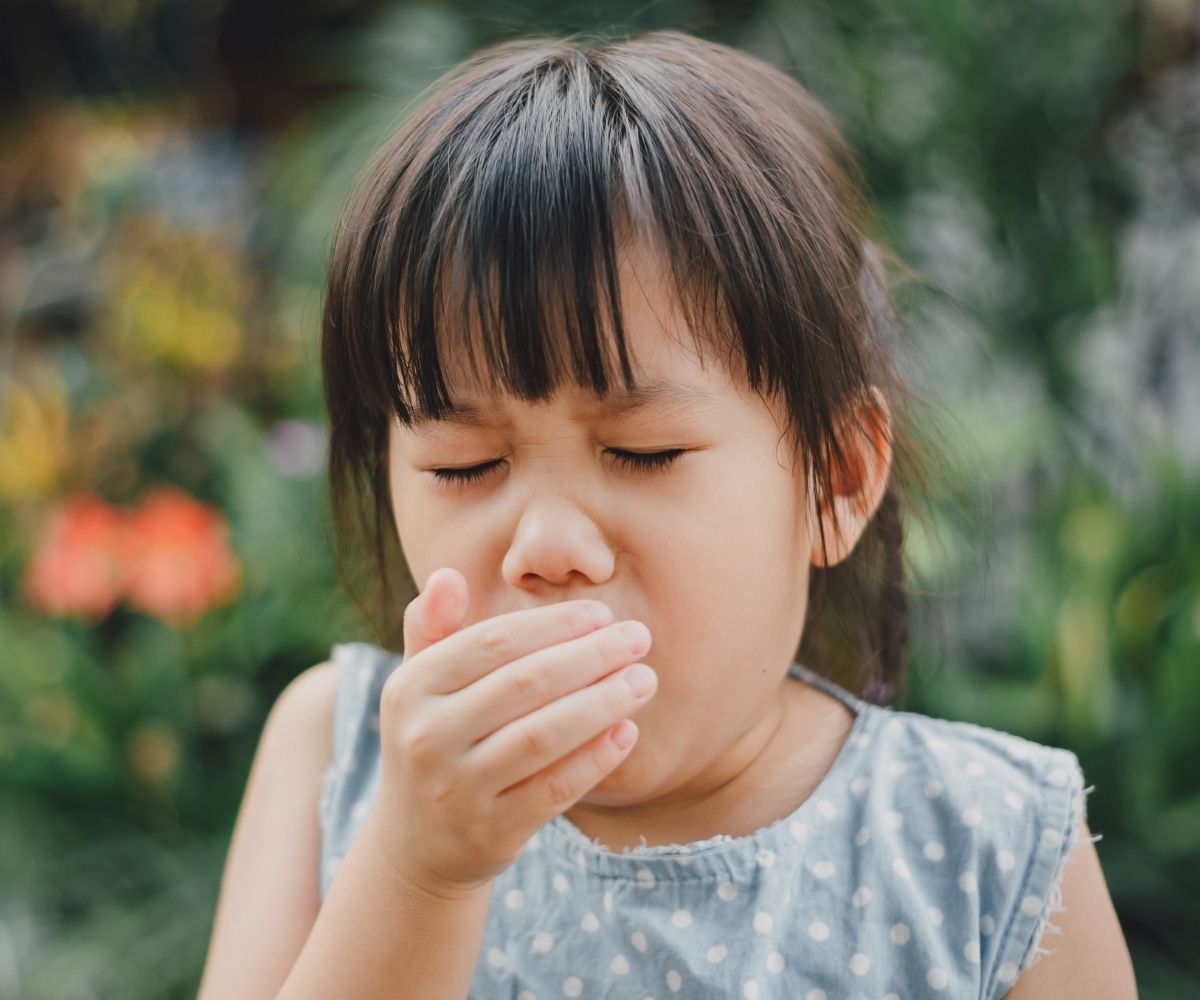
Coughing is one of the most common symptoms in childhood—often appears right alongside fever. But when a cough lingers for weeks, worsens at night, or starts interfering with sleep, school, or daily routines, it can be incredibly stressful for parents. It’s important to remember, though, that coughing is usually the body’s natural way of protecting itself. It keeps the airways clear and helps children breathe more comfortably.
In this guide, you’ll find clear, parent-friendly answers to questions like: “Why is my child still coughing?”, “How long is too long?”, “What can I do at home?”, and “When should I see a doctor?”
Let’s break it all down in the most practical way.
- How Long Does a Cough Need to Last to Be Considered Prolonged?
- Common Causes of Persistent Cough in Children
- Differences Between Dry and Wet (Productive) Cough
- Supportive Home Treatments for Cough
- Room Humidification and Steam Therapy
- How Hydration Helps Ease Coughing
- Recognizing Allergy-Related Cough
- What to Do When Cough Gets Worse at Night
- When Should You See a Doctor for a Persistent Cough?
- Steps to Follow for Recurrent Cough
- Conclusion
How Long Does a Cough Need to Last to Be Considered Prolonged?
In pediatrics, cough duration is divided into three main categories:
- Acute cough: 0–2 weeks
- Subacute cough: 2–4 weeks
- Chronic (prolonged) cough: Longer than 4 weeks
So, if your child’s cough continues for more than 4 weeks, it’s considered prolonged and deserves a closer look.
However, here’s something every parent should know:
👉 After common viral infections, it’s normal for a post-viral cough to last 6–8 weeks, even when the child otherwise feels well.
If the cough is gradually improving and your child is breathing comfortably, is active, and fever-free, this is usually part of the natural healing process.
Common Causes of Persistent Cough in Children
A lingering cough can have many causes. Here are the most frequent:
-
Upper Respiratory Infections (Post-Viral Cough)
Following colds or flu, the airways can remain sensitive, leading to weeks of occasional dry coughing.
-
Lower Respiratory Infections
These tend to cause more intense and persistent cough:
- Bronchitis
- Pneumonia
- Viral bronchiolitis
Symptoms may include chest discomfort, fatigue, rapid breathing, or wheezing.
-
Post-Nasal Drip (Sinus Drainage)
One of the most common reasons for a chronic cough.
Mucus dripping down the throat—especially at night—triggers an ongoing cough.
-
Allergies
Allergy-related cough often presents as:
- Dry
- Repetitive
- Worsens at night and very early in the morning
-
Asthma or Airway Hyperreactivity
Cough that worsens with:
- Running
- Laughing
- Crying
- Cold air
…may point toward asthma.
-
Reflux (GERD)
When stomach acid irritates the throat, cough can worsen at night or when lying down.
-
Foreign Body Aspiration
This is most common in toddlers.
A sudden cough that does not improve—often with one-sided wheezing—is a red flag.
-
Chronic Sinusitis
Persistent mucus drainage causes morning cough and throat clearing.
-
Environmental Factors
- Cigarette smoke
- Dust
- Mold
- Perfumes or cleaning chemicals
These irritate the airways and can prolong coughing.
Differences Between Dry and Wet (Productive) Cough
Understanding the type of cough helps guide evaluation.
Dry Cough
Often associated with:
- Post-viral airway sensitivity
- Allergies
- Asthma
- Reflux
- Irritants (smoke, dust, chemicals)
Wet (Productive) Cough
More common with:
- Bronchitis
- Pneumonia
- Sinusitis
- Asthma exacerbations
👉 Young children often swallow mucus, so even a “dry-sounding” cough may involve congestion.
Supportive Home Treatments for Cough
The goal is not to stop the cough entirely—coughing helps clear the airways.
Instead, focus on comfort, hydration, and airway relief.
Helpful home strategies include:
- Nasal saline and gentle nasal cleaning
- Maintaining proper room humidity
- Warm baths or warm steam
- Honey (only for children over 1 year old)
- Gentle chest massage
- Slight head elevation during sleep
Room Humidification and Steam Therapy
Dry indoor air is one of the biggest culprits behind nighttime coughing.
Ideal humidity level
- Aim for 40–50% room humidity
- If using a humidifier:
- Clean it daily
- Replace the water frequently
- Avoid over-humidifying, as it can lead to mold growth
Steam therapy
- Warm steam from a shower can offer short-term relief
- Hot vaporizers or boiling steam are not recommended due to burn risk
How Hydration Helps Ease Coughing
Fluids help thin mucus, soothe irritation, and reduce the frequency of coughing spells.
Great options include:
- Water
- Homemade soups
- Warm water with honey (only for children over 1 year old)
- Diluted natural fruit juice
Avoid sugary drinks, carbonated beverages, tea and caffeinated products, which can irritate the throat.
Recognizing Allergy-Related Cough
Allergic cough often has a very distinct pattern:
- Dry and persistent
- Worse at night and in the early morning
- Often accompanied by:
- Sneezing
- Itchy nose
- Watery or itchy eyes
- May be seasonal or triggered by indoor allergens
- Rarely causes difficulty during play or physical activity
Common allergy triggers at home may be:
- Dust mites
- Pet dander
- Seasonal pollen
- Mold
- Carpets and plush toys
- Laundry detergents, perfumes, room sprays
What to Do When Cough Gets Worse at Night
Nighttime coughing is extremely common in kids. Reasons include:
- Post-nasal drip increases when lying flat
- Reflux symptoms worsen at night
- Dry indoor air
- Exposure to allergens in the bedroom
Following might ease nighttime coughing:
- Doing nasal saline cleaning before bedtime
- Airing out the room
- Using a humidifier (40–50% humidity)
- Slightly elevating the head of the bed
- Giving 1 teaspoon of honey (only for children over 1 year old) about 30 minutes before sleep
- Offering a warm shower or bath before bedtime
👉 If nighttime coughing is intense, causes vomiting, or is accompanied by wheezing, asthma may be a concern and should be evaluated.
When Should You See a Doctor for a Persistent Cough?
Seek medical evaluation if your child has:
✔ A cough lasting longer than 4 weeks
✔ Cough with fever
✔ Shortness of breath, wheezing, or rapid breathing
✔ Severe nighttime coughing that disrupts sleep
✔ Coughing fits that lead to vomiting
✔ Decreased appetite, poor fluid intake, or low energy
✔ Signs of fatigue or persistent irritability
✔ Bloody, foul-smelling, or greenish mucus
✔ Suspicion of swallowing a foreign object
Steps to Follow for Recurrent Cough
Frequent coughing episodes—especially in daycare-aged children—are common and not necessarily a sign of immune weakness. Your doctor might want to:
-
Keep a cough diary
Track:
- Onset
- Night vs. day pattern
- Triggers (running, laughing, cold air)
- Associated symptoms (fever, wheezing)
-
Identify triggers
- Common allergens
- Secondhand smoke
- Cold temperatures
- Dusty environments
- Foods associated with reflux
-
Support the immune system
- Adequate sleep
- Balanced, nutrient-rich meals
- Adequate vitamin D
- Frequent handwashing
- Daily outdoor activity
-
Consider testing (if advised by your pediatrician)
- Chest X-ray
- Lung function tests (for older children)
- Allergy testing
- Blood work
Conclusion
Coughing is often a normal, protective reflex that helps keep the airways clear. But a cough that persists, worsens at night, or affects daily life deserves careful attention.
With the right information and simple, supportive home care, many coughs may improve on their own.
And when something doesn’t feel right, or symptoms worsen, reach out to your pediatrician—trusting your instincts is always the best approach.