
- Why Is Vaccine Planning So Important?
- Vaccines Given in the Newborn Period
- What Does Immunization Guidance Include?
- Caring for Your Baby After Vaccinations
- Immunization Planning for Premature Babies
- RSV Monoclonal Antibodies: Additional Protection for Babies
- A Compassionate, Personalized, and Evidence-Based Approach
From the very beginning of life, regular newborn and baby checkups play a vital role in your child’s overall health. One of the most important parts of these visits is creating a timely vaccination schedule. Infant vaccines protect your baby from serious infectious diseases, support the development of a strong immune system, and in long-term contribute to public health.
For many parents, the vaccination process can feel both important and a little overwhelming. That’s exactly why professional immunization guidance is essential—to help you understand each step, feel confident in your decisions, and know that your baby is receiving safe, evidence-based care.
Why Is Vaccine Planning So Important?
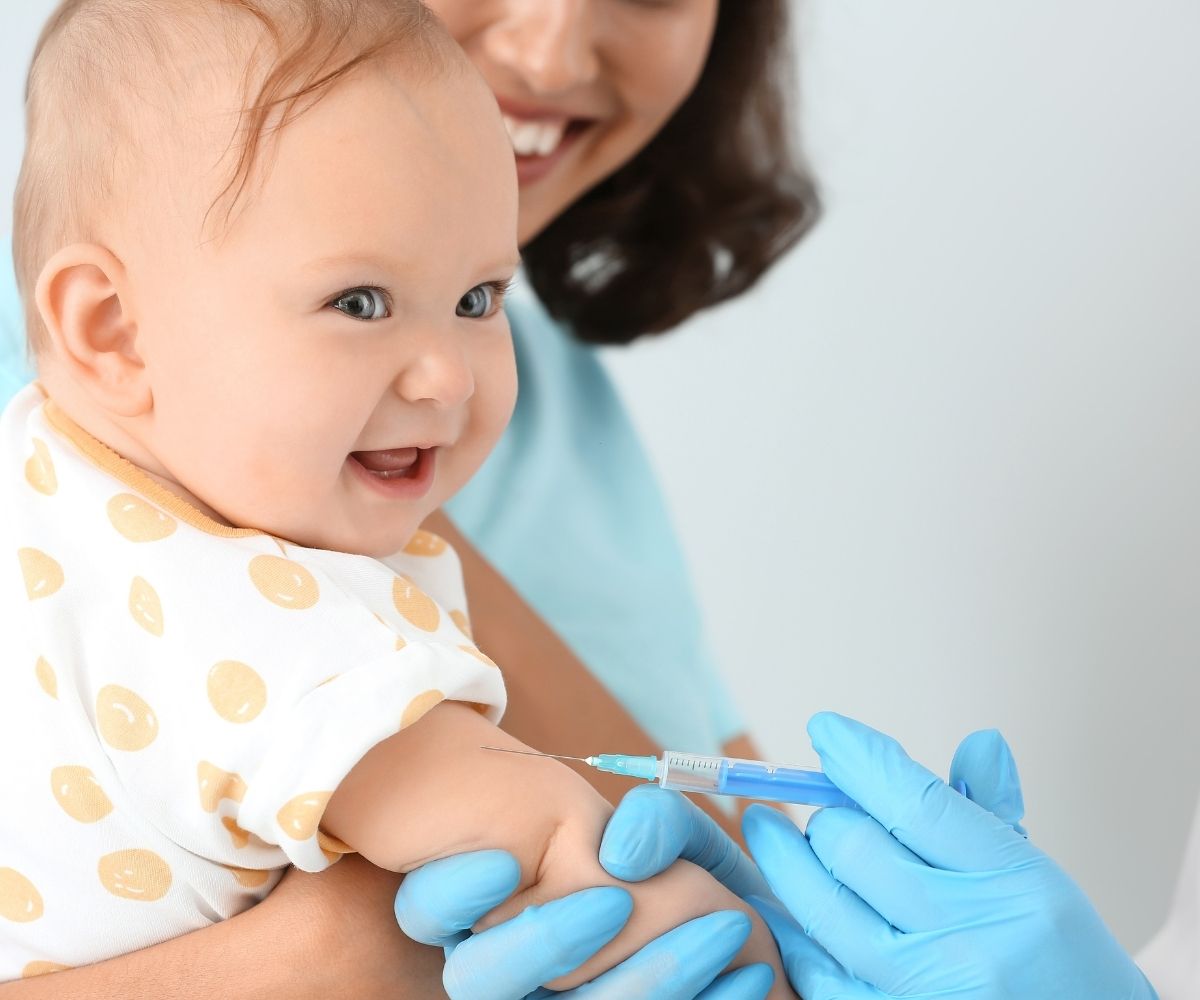
A newborn’s immune system is still developing, which makes babies more vulnerable to certain infections. Newborn vaccines and infant immunizations protect your child from serious, sometimes life-threatening conditions.
A carefully organized immunization plan helps:
- Protect your baby during vulnerable early months
- Prevent the spread of infections within the community
- Ensure vaccines are given at the most effective times
- Provide guidance on additional (optional) vaccines
- Keep you up-to-date with the latest guidelines
Some vaccines must be given at very specific ages to ensure proper protection. During every newborn and baby checkup, your child’s immunization schedule is reviewed and updated.
Vaccines Given in the Newborn Period
Shortly after birth, babies typically receive vaccines such as Hepatitis B, which provide early protection against serious illnesses.
Parents often ask:
- “What does this vaccine protect against?”
- “Is it safe for my newborn?”
- “Is it really necessary?”
During your visit, these questions are explained clearly and calmly. Vaccine safety, effectiveness, and timing are all based on strong scientific evidence and international health guidelines.
Infant Vaccines: 0–24 Months
During the first two years of life, your baby receives several important vaccines as part of the recommended childhood immunization schedule. These may include:
- DTaP-IPV-Hib (the combination vaccine)
- BCG (tuberculosis)
- Pneumococcal
- Rotavirus (additional to the national program)
- MMR (measles, mumps, rubella)
- Varicella (chickenpox)
- Hepatitis A
- Meningococcal vaccines (additional to the national program)
Each baby’s vaccination plan is personalized based on factors such as health status, birth history, and prematurity.
What Does Immunization Guidance Include?
Vaccine counseling is much more than creating a schedule. It means supporting parents at every stage with clear information and compassionate communication.
-
Understanding the Purpose and Benefits of Each Vaccine
We explain which diseases each vaccine protects against and why it is recommended at a specific age.
-
Timely Vaccination Planning
Your baby’s immunization schedule is reviewed and updated at every visit to make sure nothing is delayed or missed.
-
Guidance on Optional Vaccines
We provide balanced, evidence-based information on additional vaccines—such as meningococcal or rotavirus vaccines—so families can make informed decisions.
-
After-Vaccine Care
Parents learn what to expect after a vaccine, including common, mild responses like low-grade fever or fussiness, and how to manage them.
-
Vaccine Safety Information
We review vaccine ingredients, safety monitoring systems, and global standards to ensure parents feel comfortable and confident.
Caring for Your Baby After Vaccinations
It’s normal for babies to experience mild symptoms such as mild tiredness, slight fever, or temporary fussiness after vaccines. These are signs that the immune system is responding.
Parents receive practical, supportive guidance on:
- Managing fever or discomfort
- Monitoring the injection site
- Supporting hydration and feeding
- Knowing when to reach out for medical advice
This support helps families feel secure and informed during the entire process.
Immunization Planning for Premature Babies
Premature babies may have a more delicate immune system, making immunization even more important. Most vaccines are scheduled according to the baby’s chronological age, not gestational age, unless otherwise noted in guidelines.
Families receive clear explanations about timing, safety, and added benefits for preterm infants.
RSV Monoclonal Antibodies: Additional Protection for Babies
Respiratory Syncytial Virus (RSV) is a common virus that can cause bronchiolitis and pneumonia in babies—especially during fall and winter. Premature infants, babies with heart or lung problems, and young infants in their first RSV season are at higher risk for developing severe disease.
RSV monoclonal antibodies offer an important layer of protection. Unlike a vaccine, these are lab-made antibodies that are given directly to the baby, providing immediate passive immunity.
Key points about RSV monoclonal antibodies:
- They are not traditional vaccines but provide protective antibodies.
- They reduce the risk of severe RSV illness.
- They are especially recommended for high-risk newborns and premature infants.
- They are given seasonally, usually before winter.
During your baby’s checkup, we discuss whether RSV monoclonal antibody protection is appropriate based on your child’s health history and risk factors. This thoughtful guidance helps ensure that your baby enters the RSV season as protected as possible.
A Compassionate, Personalized, and Evidence-Based Approach
Every baby’s health journey is unique. That’s why vaccine planning and immunization guidance during newborn and baby checkups are tailored individually to your child if needed.
Our goal is to support your baby’s strongest possible immunity while helping you feel informed, confident, and supported at every step.
With timely vaccines, clear guidance, and compassionate care, you can help your baby build a healthy foundation for the future.