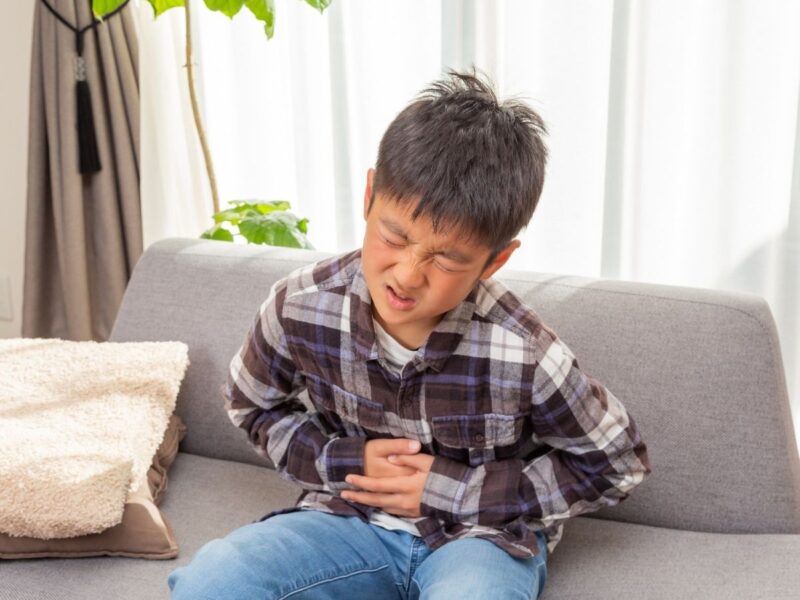
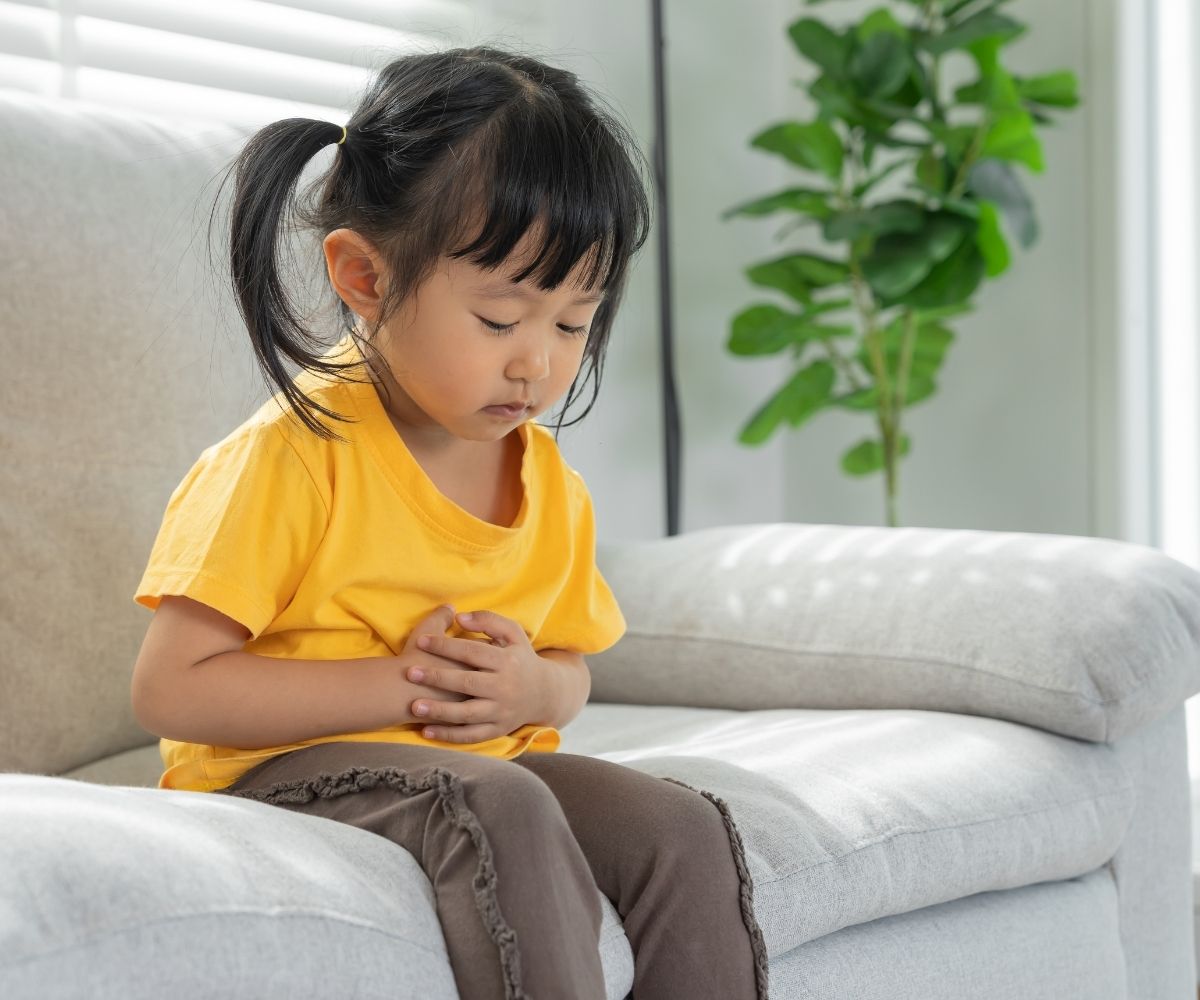
Diarrhea is one of the most common health issues parents encounter in infants and children—and understandably one of the most worrisome. When diarrhea is accompanied by symptoms such as frequent stools, vomiting, fever, or refusal to drink fluids, many parents immediately start asking: “What should I do?”, “When does diarrhea become dangerous?”, “How do I know if my child is dehydrated?”
In most cases, diarrhea is caused by viral agents and is self-limiting. However, if not monitored properly, children may quickly lose fluids and electrolytes, which can lead to more serious complications—especially in younger babies.
In this article, how to recognize diarrhea, its most common causes, how to monitor it at home, feeding recommendations, treatment principles, and when to seek medical attention, are explained in a clear, parent-friendly manner.
What is Diarrhea? Key Symptoms
Diarrhea can look different depending on your child’s age and diet.
In general:
👉 More frequent, looser, and more watery stools than usual are considered as diarrhea.
You should suspect diarrhea if your child has:
- More frequent stools than usual
- Watery, loose, or explosive stools
- Foul-smelling stools
- Mucus or occasional streaks of blood in the stool
- Abdominal pain, gas, fussiness
- Nausea or vomiting
- Fever
- Poor appetite
- Fatigue or decreased energy
- Diaper rash around the bottom
A diarrhea episode that begins suddenly and worsens over a short period of time typically points toward acute gastroenteritis.
Common Causes of Diarrhea in Babies and Children
Diarrhea can occur for many reasons, most of which are infectious. Let’s review the most common causes:
-
Viral Infections (Most Common Cause)
Viruses are responsible for the majority of diarrhea cases in children.
The most common viruses include:
- Rotavirus
- Norovirus
- Adenovirus
- Astrovirus
Typical symptoms would be:
- Sudden onset of watery diarrhea
- Vomiting
- Fever
- Abdominal pain
Rotavirus in particular is known for causing severe diarrhea and rapid fluid loss.
-
Bacterial Infections
They are less common, but often more severe.
Common bacteria include:
- Salmonella
- Shigella
- Campylobacter
- E. coli strains
Symptoms may include:
- High fever
- Bloody stools
- Severe abdominal pain
- Foul-smelling, profuse diarrhea
Antibiotics are not always necessary and should only be used under a doctor’s supervision.
-
Parasitic Infections
More common in older children.
Most frequently seen:
- Giardia
Symptoms include:
- Intermittent (on-and-off) diarrhea
- Foul-smelling stools
- Abdominal bloating
- Chronic mild abdominal pain
- Weight loss
-
Food Poisoning
Diarrhea that starts within a few hours after eating spoiled or contaminated foods strongly suggests food poisoning.
-
Food Allergies and Intolerances
Conditions such as cow’s milk protein allergy or lactose intolerance may lead to diarrhea.
Possible symptoms:
- Mucus-filled stools
- Bloody stools (especially in milk protein allergy)
- Gas and abdominal discomfort
- Slowed weight gain
-
Antibiotic Use
Antibiotics disrupt the gut microbiome and can cause antibiotic-associated diarrhea, which is usually mild and temporary.
-
Dietary Changes
Starting solids or introducing new fruits/vegetables may temporarily change stool consistency.
What Are the Warning Signs in Diarrhea?
The most serious risk of diarrhea is dehydration—loss of fluids and electrolytes.
Diarrhea can become dangerous when any of the following symptoms are present:
Seek urgent medical care if your child has:
- Excessive thirst
- Lack of tears when crying
- Marked fatigue, lethargy, sleepiness
- Dry lips and dry mouth
- Reduced urine output / no wet diaper for 6–8 hours
- Sunken eyes
- Decreased skin elasticity (“tenting” of the skin)
- High fever
- Bloody stools
- Persistent vomiting
- Strong, worsening stool odor
Infants under 6 months can become dehydrated very quickly.
How to Monitor Diarrhea at Home
Proper home monitoring is crucial for helping a child recover safely.
Parents should track:
- The amount of urine
- Vomiting frequency
- Number of stools per day
- Stool consistency
- Presence of fever
- How much the child is drinking
- Overall behavior (activity, energy, responsiveness)
If your baby’s wet diapers decrease significantly (e.g., fewer than 3–4 per day), dehydration may be developing.
How to Prevent Fluid and Electrolyte Loss
The most important element of diarrhea management is replacing lost fluids and electrolytes.
👉 The gold standard is ORS (Oral Rehydration Solution).
These solutions, available at pharmacies, are specially formulated for infants and children.
Why is ORS essential?
- Replaces fluid loss effectively
- Restores electrolyte balance
- Scientifically proven to reduce dehydration risk
How should ORS be given?
- Offer small amounts frequently
- If vomiting occurs, give tiny sips or spoonfuls
- If the child vomits, wait a few minutes and offer ORS again
- Continue giving ORS until hydration improves
Feeding Recommendations During Diarrhea
In the past, children were advised to “stop eating” during diarrhea, but this approach is no longer recommended. Children should continue eating.
Offer foods that are to your child’s liking but also gentle on the stomach and easy to digest, such as:
- Yogurt (especially probiotic)
- Banana
- Rice porridge or rice soup
- Mashed potatoes
- Chicken broth soup
- Dry toast or crackers
- Boiled vegetables
Avoid:
- Sugary foods
- Fruit juices (especially packaged varieties)
- Carbonated drinks
- Fatty, fried, or heavy meals
- Chocolate and desserts
Should Babies Continue Breastfeeding?
Short answer: Yes. Absolutely.
Breast milk (and formula when medically needed) is extremely important during diarrhea. Babies obtain most of their water and electrolytes from their milk.
For breastfed babies:
- Continue breastfeeding without interruption
- Breast milk supports faster recovery
For formula-fed babies:
- Continue formula feeding
- In special cases, your doctor may recommend a lactose-free formula temporarily
- If the baby has recently started solids, you may reduce them temporarily
The Effects of Breast Milk on Diarrhea
Breast milk is not only food—it is a powerful immune protector. Studies consistently show that breastfed infants recover more quickly during diarrhea.
How breast milk helps:
- Restores healthy gut flora: Natural probiotics in breast milk help rebalance the gut.
- Boosts immunity: Antibodies, especially IgA, coat the intestinal lining and block viruses and bacteria from attaching.
- Easy to digest: Breast milk requires minimal digestive effort—ideal during diarrhea.
- Prevents dehydration: Its high water content helps maintain hydration.
- Speeds recovery: Babies who continue breastfeeding have shorter and milder diarrhea episodes.
👉 Never stop breastfeeding during diarrhea—offer the breast more often if needed.
Common Mistakes in Diarrhea Treatment
Parents often make the following mistakes:
❌ 1. Giving anti-diarrheal medications
These can be dangerous and may trap infections inside the intestines.
❌ 2. Starting antibiotics unnecessarily
About 80% of diarrhea in children is viral; antibiotics won’t help.
❌ 3. Giving only water instead of ORS
Water alone does not replace electrolytes. ORS is essential.
❌ 4. Forcing food
A reduced appetite is normal; let the child eat lightly.
❌ 5. Giving fruit juices or soda
These worsen diarrhea.
❌ 6. Delaying medical evaluation
Especially risky for young infants.
When Should You See a Doctor?
Seek medical care if your child is under 6 months of age or has one of the following:
- Reduced urine output / no wet diaper for 6–8 hours
- Persistent vomiting
- High fever
- Bloody or black stools
- Marked fatigue or sleepiness
- Excessive thirst
- Dry lips or dry skin
- Deep, rapid breathing
- A swollen or tender belly
- Sunken eyes
Steps to Follow in Recurrent Diarrhea
Recurrent diarrhea may indicate an underlying issue. Common causes include:
- Food allergies
- Lactose intolerance
- Celiac disease
- Parasitic infections
- Inflammatory bowel diseases
- Gut microbiome imbalance
- Frequent viral exposure in daycare settings
Your pediatrician may recommend:
- Keeping a food diary
- Stool tests
- Allergy and celiac testing
- Probiotics to support gut flora
- Emphasizing hand hygiene
- Ensuring safe water sources
Conclusion: Properly Managed Diarrhea Resolves Quickly
Diarrhea is one of the most frequent childhood illnesses. In most cases, it can be safely managed at home with good hydration, proper nutrition, and careful observation. The key is recognizing dehydration early, monitoring your child’s overall condition, and seeking medical help when needed.
With the right information, thoughtful follow-up, and a calm approach, the diarrhea recovery process becomes much easier for both parent and child.