
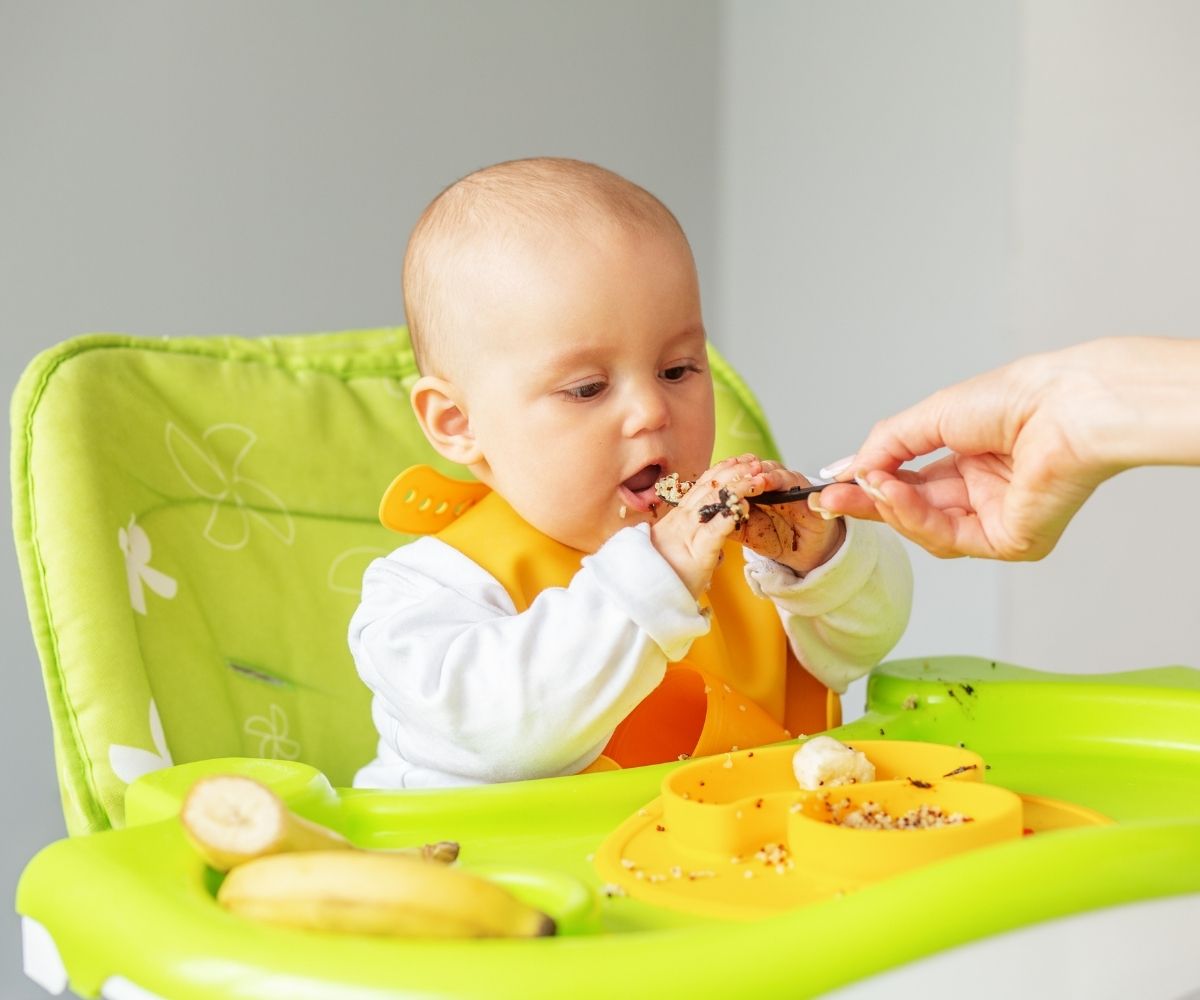
One of the most significant milestones in your baby’s early life is the transition to complementary feeding, also known as starting solid foods. From birth, breast milk (or formula when medically needed) is your baby’s primary source of nutrition. However, around 6 months of age, breast milk alone is no longer sufficient to meet all nutritional and developmental needs. This is when complementary feeding becomes essential.
As part of routine pediatric wellness visits, the introduction of solid foods is not only a change in eating habits—it is a crucial developmental stage that affects your baby’s motor skills, sensory processing, immunity, feeding behaviors, and long-term relationship with food.
For this reason, starting solids at the right time, with the right foods and techniques, and under professional guidance is key to ensuring a safe and confident transition for both you and your baby.
When Should Complementary Feeding Begin?
Current scientific guidelines recommend starting complementary feeding at 6 months of age.
Signs Your Baby Is Ready for Solids:
- Can sit with support
- Has good head and neck control
- Shows chewing movements
- Brings objects to their mouth
- Shows interest in family meals
- Tongue-thrust reflex has decreased
If some of these signs aren’t present yet, it may be best to wait a little longer for your baby’s safety and comfort.
What Is the Purpose of Complementary Feeding?
Starting solids does not replace breast milk—its purpose is to complement it by meeting your baby’s increasing nutritional needs, especially for:
- Iron
- Zinc
- Protein
- Healthy fats
- Vitamins and minerals
Complementary feeding also aims to:
- Introduce your baby to new tastes and textures
- Build the foundation for lifelong healthy eating habits
- Support motor and oral–motor development
- Prevent nutrient deficiencies
- Encourage independent feeding
In short, complementary feeding is not just a nutritional shift—it is a developmental journey.
Purees or BLW? Which Is Best?
One of the most common questions families ask is whether to begin with purees or follow the BLW (Baby-Led Weaning) approach. During wellness visits, we evaluate this together based on your baby’s readiness and your family’s needs.
Puree-Based Approach
- Spoon-fed
- Texture gradually increases
- Offers parents more control
BLW (Baby-Led Weaning)
- Baby feeds independently
- Supports fine motor skills and self-regulation
- Encourages participation in family meals
Both approaches are scientifically acceptable. The most important factor is safe feeding, offering foods in appropriate forms, and choosing a method that aligns with your baby’s development and your family routine.
For many families, a combined (mixed) method works beautifully.
How to Begin Complementary Feeding
During the first days, the goal is simply exposure—allowing your baby to explore new tastes and textures. As the time progresses, meal frequency and variety are gradually increased. Foods such as eggs, legumes, vegetables, fruits, yogurt, and protein-rich options like meat and chicken are incorporated step by step.
Allergy Risks and Safe Introduction
Current research shows that introducing allergenic foods (such as eggs, fish, or peanuts) at the appropriate time and safely may help reduce allergy risk.
During your visit, we guide you through:
- How to recognize allergy symptoms
- What to do if your child has a family history of allergies
- Which foods are high-risk
- When to seek medical attention
This approach helps make the starting-solids journey both safe and enjoyable.
Feeding Routines and Healthy Eating Habits
Complementary feeding isn’t just about food—it’s when lifelong eating behaviors begin.
According to responsive feeding principles, we provide guidance on:
- Creating a calm mealtime environment
- Avoiding screen-based feeding
- Understanding hunger and fullness cues
- Encouraging enjoyable, pressure-free eating
- Ensuring proper seating for safety
- Including your baby at the family table
These habits lay a strong foundation for healthy eating in later childhood.
Frequently Asked Questions During Visits
Parents often ask:
- “How much should my baby eat?”
- “When should we introduce textured foods?”
- “When can we offer egg, meat, or pasta?”
- “How many meals per day are appropriate?”
- “How do we prevent iron deficiency?”
Because every baby is unique, we tailor all recommendations to your child’s individual needs.
Complementary Feeding for Premature Babies
For premature infants, the timing of complementary feeding is based on corrected age, developmental readiness, and detailed clinical evaluation.
Key considerations include:
- Iron supplementation
- Energy-dense foods
- Oral–motor development
- Feeding tolerance
- Growth needs
Each preterm baby is followed with a personalized feeding plan.
Conclusion: A Strong and Healthy Start to Your Baby’s Feeding Journey
Introducing complementary feeding is an exciting but sensitive milestone. When approached with scientific knowledge, safety, and respect for your baby’s unique rhythm, it becomes a joyful and confidence-building experience.
Routine pediatric wellness visits provide the structure, expertise, and reassurance families need during this transition.
Our goal is to help your baby develop a healthy, enjoyable relationship with food—while making sure you feel informed, supported, and confident throughout the process.
With regular follow-up, reliable guidance, and a warm, family-centered approach, the journey into solid foods becomes easier, safer, and much more enjoyable for both you and your baby.