
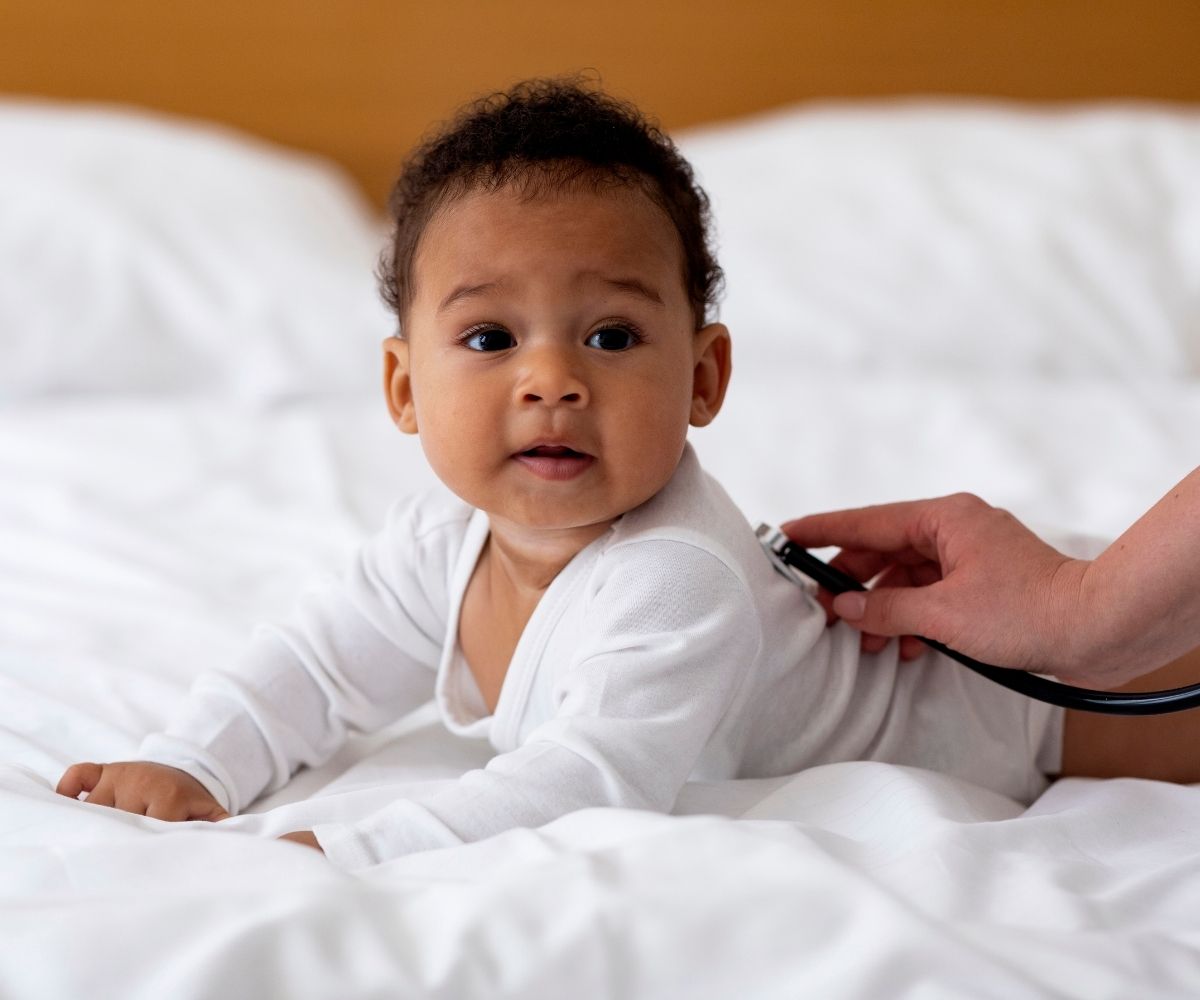
- Our Care Approach and Family Support
- What Is Considered an Upper Respiratory Infection?
- Why Are URIs So Common in Childhood?
- What to Expect During a Pediatric Illness Visit
- Viral vs. Bacterial Infections
- Home Care: Supporting Your Child’s Recovery
- When Are Antibiotics Needed?
- When to Return or Seek Urgent Care
- Can URIs Be Prevented?
- Conclusion: Calm, Confident, and Compassionate Care Through Illness
- Common Conditions We Monitor Closely
- Our Treatment Approach
- Our Care Philosophy and Family Support
Comprehensive Evaluation and Evidence-Based Treatment Planning for Acute and Chronic Pediatric Conditions
Childhood illnesses range widely—from sudden-onset febrile infections to allergic conditions, digestive system problems, and respiratory diseases. Because a child’s immune system is still in development, especially in the early ages, many illnesses can progress quickly and understandably cause significant concern for families. For this reason, pediatric illness visits aim not only to address the immediate symptoms, but also to evaluate a child’s overall health through a holistic approach, identify underlying causes, and prevent recurrent issues.
The illness evaluations offered in our clinic are conducted with a child-friendly, evidence-based approach aligned with current medical guidelines. We provide a supportive care model that reduces parental anxiety, ensures children feel safe, guides families through the process, and promotes a smooth recovery.
In every illness visit, our goals include:
- Establishing an accurate diagnosis
• Avoiding unnecessary medication use
• Closely monitoring the course of the illness
• Providing families with clear and reliable information
• Supporting the child’s healthy and complete recovery
Some of the conditions we evaluate within this service include:
- Upper respiratory tract infections
- Lower respiratory tract infections
- Evaluation of the febrile child
- Urinary tract infections
- Assessment of allergies, asthma, and atopic dermatitis
- Detailed evaluation of gastrointestinal symptoms such as abdominal pain, vomiting, diarrhea, and constipation
Our Care Approach and Family Support
At the end of every illness visit, families receive:
• A clear explanation of the diagnosis
• The expected course of the illness
• Home-care and monitoring recommendations
• Warning signs that require medical attention
• A follow-up plan when necessary
Our goal is for families to feel informed, supported, and reassured throughout their child’s healing process.
-
Assessment for Upper Respiratory Infections in Children
Reliable, Evidence-Based, and Compassionate Care—Every Time Your Child Needs Support
Upper respiratory infections (URIs) are among the most common conditions in childhood. For children who attend daycare, preschool, or school, these illnesses can occur multiple times a year. While this can understandably feel exhausting for parents, it is actually a normal part of early childhood—and an important step in helping the immune system mature and strengthen over time.
URIs affect the nose, throat, and surrounding areas. Most are caused by viruses, resolve naturally, and only require proper evaluation and supportive care. However, some children may need closer monitoring, targeted treatment, or diagnostic testing to determine whether the infection is viral or bacterial.
This is why a thorough, thoughtful pediatric illness visit matters. During each assessment, the goal is to evaluate your child comprehensively, make an accurate diagnosis, reassure families, and provide clear, practical guidance for home care and recovery.
What Is Considered an Upper Respiratory Infection?
Upper respiratory infections include several common childhood illnesses, such as:
📌 Common Cold (Viral URI)
Typical symptoms include:
- Runny nose
- Nasal congestion
- Sneezing
- Mild cough
- Low-grade fever
📌 Pharyngitis (Sore Throat)
May present with:
- Throat pain
- Difficulty swallowing
- Fever
- Fatigue
Most cases are viral, but some are caused by Group A Streptococcus, which requires specific evaluation.
📌 Tonsillitis
Common signs include:
- Red or swollen tonsils
- White patches or pus
- High fever
- Pain with swallowing
📌 Sinusitis
Often suspected when:
- Nasal discharge lasts longer than 10 days
- Congestion is significant
- There is facial or head pressure
📌 Laryngitis / Croup
Recognized by:
- Barking or harsh cough
- Hoarse voice
- Noisy breathing
A pediatric exam is essential to distinguish between these conditions and determine the safest, most effective treatment plan.
Why Are URIs So Common in Childhood?
Children naturally encounter viruses frequently for several reasons:
- Their immune systems are still developing.
- Daycare and school environments increase exposure.
- Kids share toys and engage in close physical play.
- Young children frequently touch their faces.
Most of the time, it is normal for a child to experience 8–10 upper respiratory infections per year, especially between ages 1 and 6.
What to Expect During a Pediatric Illness Visit
Every visit is individualized based on your child’s age, symptoms, and medical history.
-
Detailed Medical History
We begin by asking thoughtful, targeted questions such as:
- How long has the fever lasted?
- When did the cough start?
- Is the nasal discharge clear or colored?
- Are there sick contacts at home or school?
- Is your child eating, drinking, and sleeping normally?
- Have similar infections happened before?
A good history is one of the most important steps in determining the cause of illness.
-
Comprehensive Physical Examination
The exam may include evaluating:
- Nose and sinuses
- Throat and tonsils
- Lymph nodes
- Lung sounds
- Ears (to check for ear infections)
- Hydration status
- Skin rashes
Ear infections (acute otitis media) commonly accompany URIs and require prompt diagnosis.
-
Diagnostic Tests When Needed
Testing isn’t always necessary, but may be recommended in certain cases:
- Rapid strep test
- Complete blood count
- C-reactive protein (CRP)
- Influenza and RSV testing
- COVID testing
These tests help clarify whether the infection is viral or bacterial.
Viral vs. Bacterial Infections
More than 80% of URIs are viral and do not require antibiotics.
Signs that suggest a viral infection:
- Clear runny nose
- Watery eyes
- Mild fever
- Hoarse or dry cough
- Fatigue
- Gradual improvement
Signs that may indicate a bacterial infection:
- Persistent high fever
- Swollen tonsils with white patches
- Bad breath
- Severe sore throat
- Yellow-green nasal discharge lasting more than 10 days
Antibiotics are used only for bacterial infections. This protects children from unnecessary side effects and helps prevent antibiotic resistance.
Home Care: Supporting Your Child’s Recovery
Most URIs improve with simple, supportive measures. After the visit, families receive personalized instructions such as:
✔ Keep your child well hydrated
Depending on child’s age, water, soups, breast milk, and warm fluids are all beneficial.
✔ Use a cool-mist humidifier
Humidified air can ease congestion and soothe irritated airways.
✔ Try gentle saline nasal rinses
Especially helpful for babies and toddlers who can’t blow their nose.
✔ Use age-appropriate fever reducers
Acetaminophen or ibuprofen may be used as recommended by the physician.
✔ Encourage plenty of rest
Adequate sleep is one of the most effective tools for healing.
Important: Honey should not be given to infants under 1 year of age.
When Are Antibiotics Needed?
Antibiotics may be appropriate for:
- Bacterial tonsillitis (strep throat)
- Acute ear infections
- Bacterial sinusitis
- Certain types of pneumonia
They are not helpful for the common cold, most coughs, or viral sore throats.
When to Return or Seek Urgent Care
Parents should look out for certain red flags, including:
- Fever lasting more than 72 hours
- Rapid or labored breathing
- Bluish lips or face
- Persistent vomiting
- Signs of dehydration
- Worsening cough or wheezing
- Unusual sleepiness or weakness
- Rash accompanied by fever
These symptoms require prompt medical evaluation.
Can URIs Be Prevented?
While it’s impossible to prevent every infection, risk can be greatly reduced with:
- Frequent handwashing
- Avoiding close contact with sick individuals
- Adequate sleep
- A balanced diet
- Staying up to date with recommended vaccinations (national vaccination program, influenza, RSV protection for eligible infants)
A strong immune system helps children recover faster and experience milder symptoms.
Conclusion: Calm, Confident, and Compassionate Care Through Illness
Upper respiratory infections are a normal part of childhood. Still, each episode deserves careful evaluation, supportive treatment, and clear guidance.
My approach is to:
- Provide an accurate diagnosis
- Avoid unnecessary medications
- Offer evidence-based care
- Communicate clearly and compassionately
- Empower parents with practical home care advice
- Support your child’s immune health
- Be available for close follow-up when needed
Together, we can make each illness episode safer, gentler, and easier for both your child and your family.
-
Lower Respiratory Tract Infections
Lower respiratory tract infections can be more severe in children—especially those under the age of five—and often require close monitoring and timely medical care. Conditions such as bronchiolitis, RSV infections, and pneumonia can significantly impact a child’s breathing and overall well-being. Early diagnosis and the right treatment plan play a crucial role in improving recovery.
During the evaluation, we assess:
- Breathing rate and depth
• Lung sounds, including wheezing, crackles, and rhonchi
• Chest retractions and nasal flaring
• Oxygen saturation levels
• Differentiation between bronchiolitis and asthma
• Chest X-rays or laboratory tests when necessary
Common Conditions We Monitor Closely
Bronchiolitis (including RSV)
Bronchiolitis is most common in infants under two years of age and is typically caused by viruses like RSV. It may present with wheezing, rapid breathing, chest retractions, and feeding difficulties. Some children may require oxygen support, making close follow-up essential.
Pneumonia
Pneumonia is an infection of the lung tissue and may be viral or bacterial. Symptoms often include high fever, rapid breathing, chest pain, lethargy, and decreased appetite. Accurate diagnosis and early treatment are critical, and in some cases, a chest X-ray or antibiotics may be needed.
Asthma Attacks
Asthma attacks can mimic lower respiratory infections and must be carefully distinguished. Children may develop shortness of breath, wheezing, chest tightness, and persistent cough. Viral infections, allergens, cold air, or physical activity can trigger attacks. Proper treatment and ongoing follow-up are key to maintaining long-term control.
Wheezing in Young Children
Wheezing can occur in younger children for many reasons, including viral infections, bronchiolitis, early asthma tendencies, or allergic sensitivities. A wheezing child should always be evaluated to determine the underlying cause, as early management may help reduce future respiratory complications.
Our Treatment Approach
- Evaluation for nebulized treatments
• Assessment of oxygen support needs
• Determining whether antibiotics are necessary
• Fever and cough management
• Detailed home-care guidance
• Follow-up visits as needed
Families are thoroughly taught how to recognize signs of respiratory distress and when to seek urgent care.
-
Evaluation of the Febrile Child
Fever is one of the most common symptoms in childhood and can understandably cause significant concern for families. However, fever is the body’s natural defense mechanism, and most children recover safely when it is managed appropriately.
Our fever evaluation includes:
- Onset, duration, and height of fever
• Associated symptoms such as rash, vomiting, lethargy, or breathing changes
• Screening for urgent warning signs, including neck stiffness or altered mental status
• Differentiating between viral and bacterial causes
• Urine tests, blood tests, or throat swabs when indicated
• A specialized evaluation protocol for infants under 3 months
Common causes of fever in children include:
- Viral upper respiratory infections
• Bacterial infections
• Urinary tract infections
• Lower respiratory tract infections
• Enteroviral illnesses
Treatment and Management:
- Correct dosing and safe use of fever-reducing medications
• Ensuring adequate hydration
• Prescription medications when needed
• Teaching families warning signs that require immediate medical attention
Our priority is to support families with clear, calm, and evidence-based guidance—without creating unnecessary fear.
-
Urinary Tract Infections
Urinary tract infections (UTIs) are common in childhood and, if overlooked, can lead to kidney complications. For this reason, early and accurate evaluation is essential.
During the assessment, we evaluate:
- Fever, painful urination, foul-smelling urine, or increased frequency
• Irritability, poor feeding, and weight loss in infants
• Urinalysis and urine culture
• Kidney ultrasound when indicated
• Underlying anatomical issues in recurrent UTIs
Treatment Approach:
- Appropriate antibiotic therapy
• Hydration planning
• Hygiene education
• Toilet training guidance
• Follow-up urine tests
Because UTIs are more common in girls, we provide families with personalized prevention strategies tailored to their child’s age and risk factors.
-
Evaluation of Allergies, Asthma, and Atopic Dermatitis
Allergic conditions are becoming increasingly common. Asthma, allergic rhinitis, and atopic dermatitis (eczema) frequently occur together and can significantly affect a child’s everyday comfort and health.
Our allergy and asthma assessment includes:
- Detailed allergy history
• Seasonal and environmental trigger evaluation
• Comprehensive skin, nasal, and respiratory examination
• Assessment of eczema lesions and skin barrier function
• Evaluation of bronchial sensitivity
• Referral for allergy testing when appropriate
Our Treatment Approach:
- Asthma attack management and long-term control
• Regular nasal care for allergic rhinitis
• Daily skin-care routines to strengthen the skin barrier in eczema
• Home-environment guidance (dust mites, pollen, mold, pets)
• Nutrition planning when food allergy is suspected
Our goal is to help families recognize triggers early and manage symptoms confidently and effectively.
-
6. Detailed Evaluation of Gastrointestinal Symptoms
Gastrointestinal complaints are extremely common in childhood and may result from infections, dietary changes, intolerances, or bowel movement difficulties. Some conditions, however, may require urgent medical attention.
Our gastrointestinal evaluation includes:
- Location, duration, and severity of abdominal pain
• Stool frequency, consistency, presence of blood or mucus
• Signs of dehydration
• Type of vomiting (projectile or post-feeding)
• Complete abdominal examination
• Ultrasound or blood tests when indicated
Common Causes We Consider:
- Viral gastroenteritis
• Constipation
• Food intolerances
• Foodborne illness
• Urinary tract infections
• Appendicitis
• Intussusception
Treatment Approach:
- Restoring fluid and electrolyte balance
• Adjusting diet and feeding routines
• Probiotic use when appropriate
• Treating the underlying cause
• Teaching families warning signs that require immediate medical care
Our focus is on ensuring rapid relief, accurate diagnosis, and safe at-home monitoring.
Our Care Philosophy and Family Support
At the end of every illness visit, families receive:
• A clear explanation of the diagnosis
• The expected course of the illness
• Home-care instructions
• Warning signs that require re-evaluation
• A recommended follow-up plan
Our goal is to ensure that families feel informed, supported, and confident throughout their child’s recovery.